
Florida
Ninety percent of deliveries touch this state.
Nearly every relocation we run starts in Florida, ends in Florida, or passes through it. As a Florida resident operating out of Port Canaveral and central Florida, this is the water Captain James Lowe knows best.
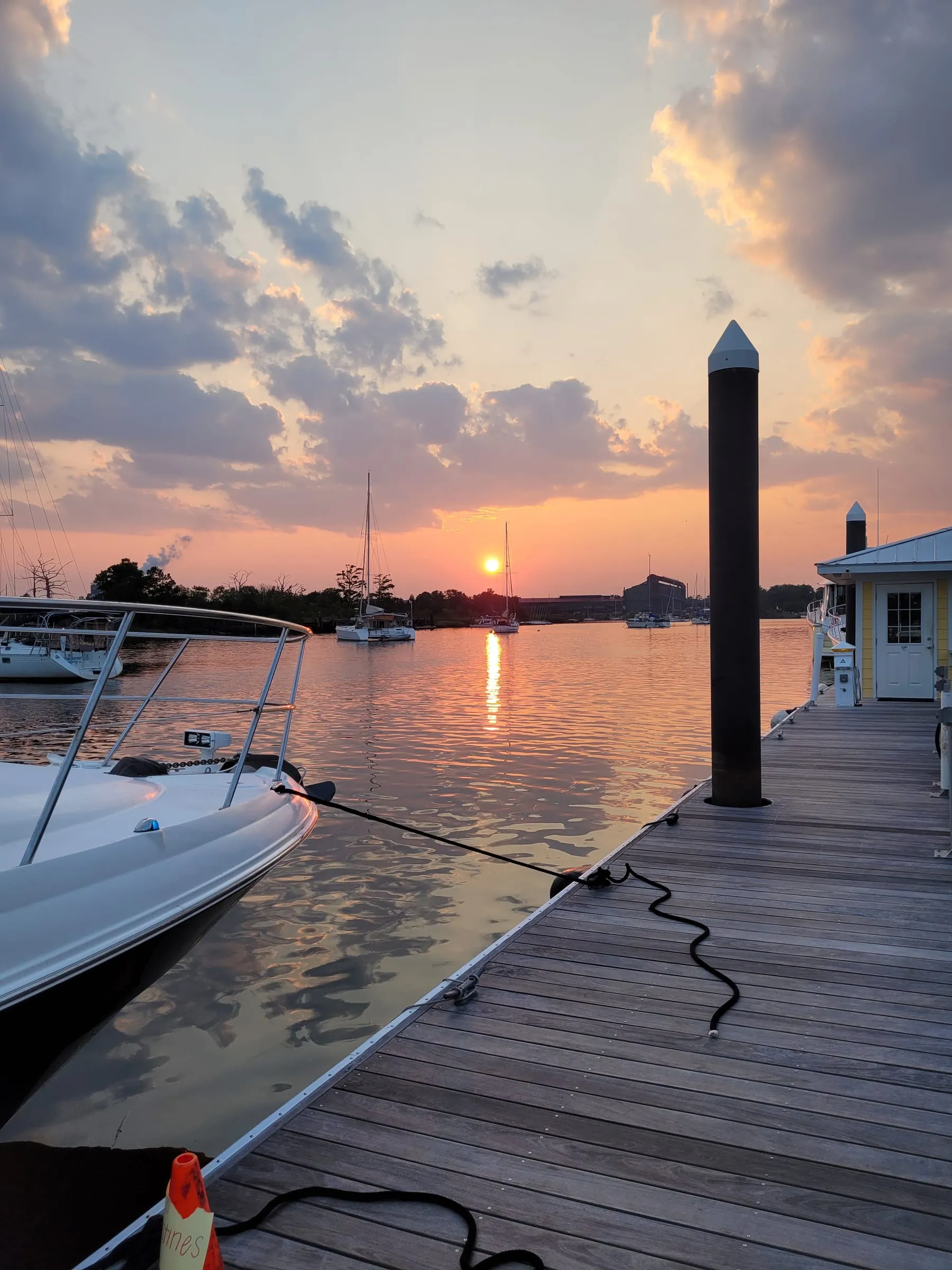
The waters covered are the Gulf of Mexico, the Atlantic, the Straits of Florida, both the Gulf and Atlantic Intracoastal Waterways, the St. Johns River, the Suwannee, and the Okeechobee Waterway across the peninsula.
Shallow water is the constant. Florida shoals quickly, and it shoals worst exactly where you most need depth — in the approaches to inlets, where the bottom moves between chart editions. Tidal awareness is not optional here, and inlet currents run hard enough to matter to a slow boat.
The ports are busy. Ships in Florida ports travel at 25 to 30 knots, which is faster than most people expect and much faster than they can be avoided if you have left it late. Knowing where the traffic is and staying clear of it is routine work on this coast.
The 1,300 miles of coastline include the Keys, every navigable inlet, and the intracoastal network that links them — plus the cross-state shortcut on the Okeechobee for boats whose air draft allows it.
Other waters
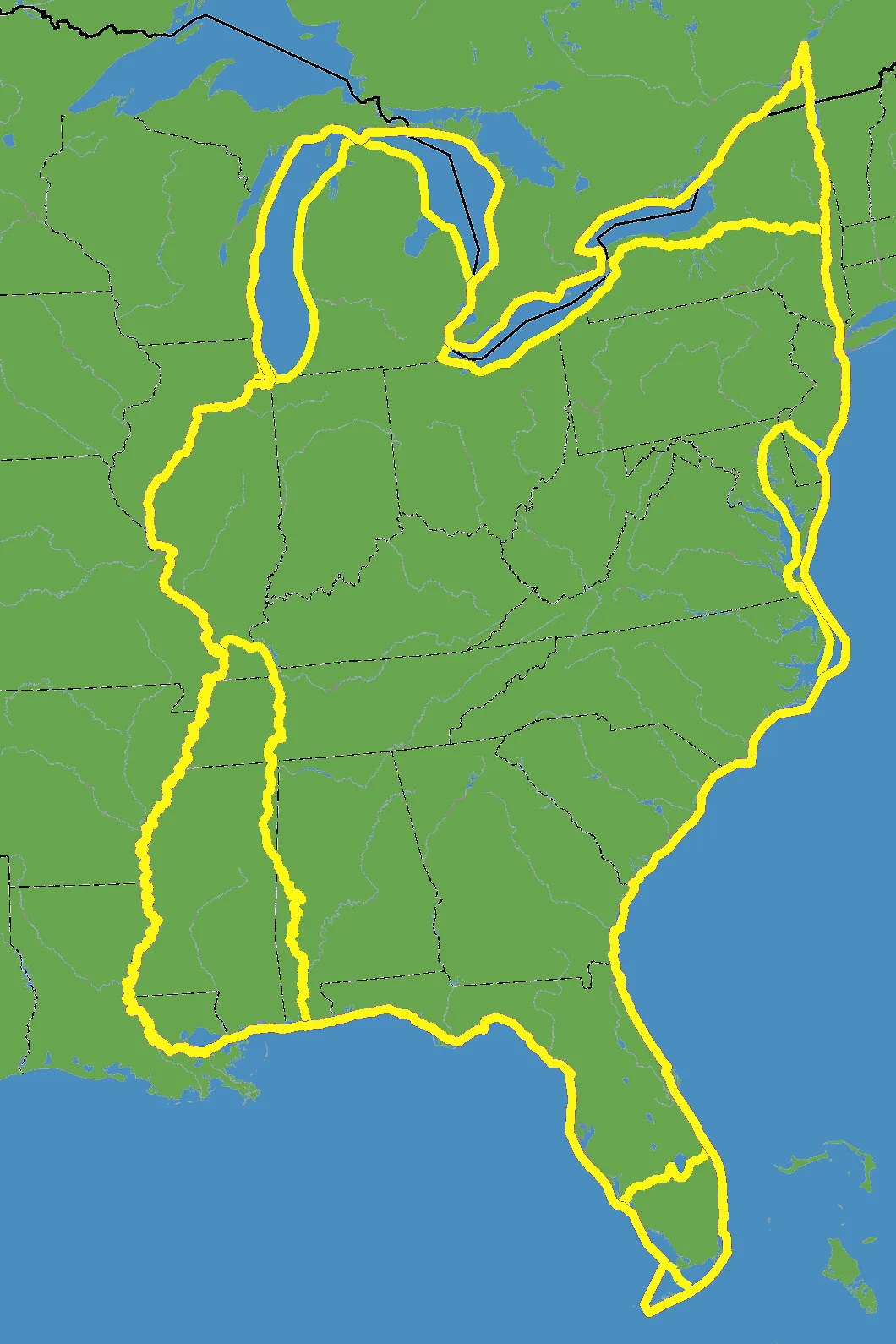
The Great Loop
A 6,000-mile circuit of America’s eastern waterways. Wherever you are on it, we can come to you.
Bahamas crossings
Florida to the islands and back — the Gulf Stream, the weather window, and the customs paperwork on both ends.
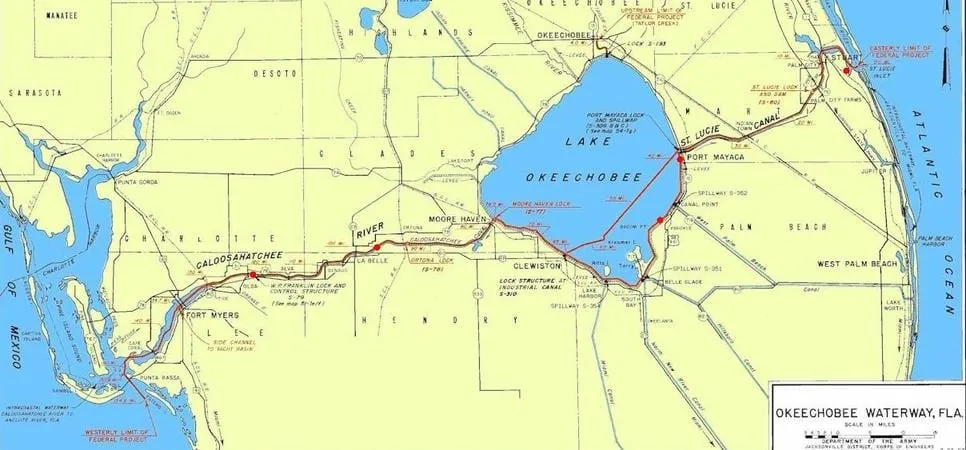
Okeechobee Waterway
The 154-mile canal route straight across Florida — five locks, and an air draft limit that decides everything.
Start here
Moving a boat through Florida?
Send the vessel details and the route. The estimate comes back with the passage already charted.
We do not share, rent or sell your information. Data is collected only to produce the estimate you asked for.