Basic navigation
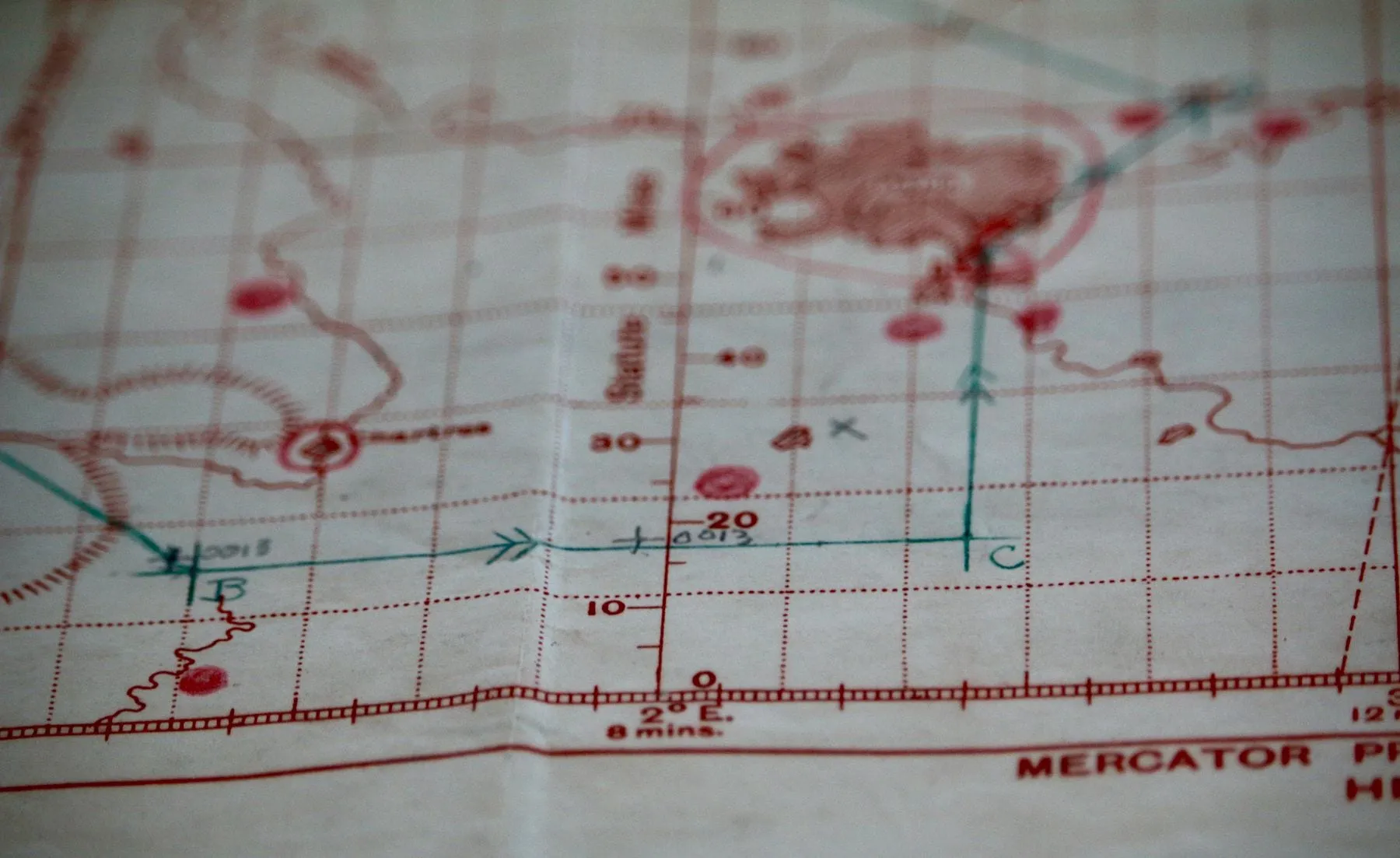
Navigational aids and buoyage, chart reading, and working the GPS, chartplotter and the rest of the electronics actually fitted to your boat.
Hands-on training
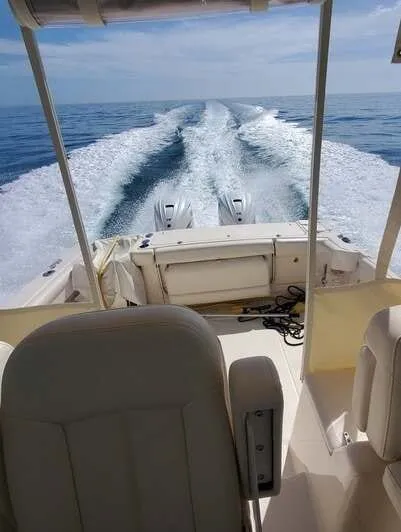
Boat handling is the set of skills that move a vessel safely: controlling direction, managing speed, reading waves and current, docking and mooring, turning in tight water, trimming, and being ready when something goes wrong. Sometimes it is as simple as taking the boat from the slip to the fuel dock.
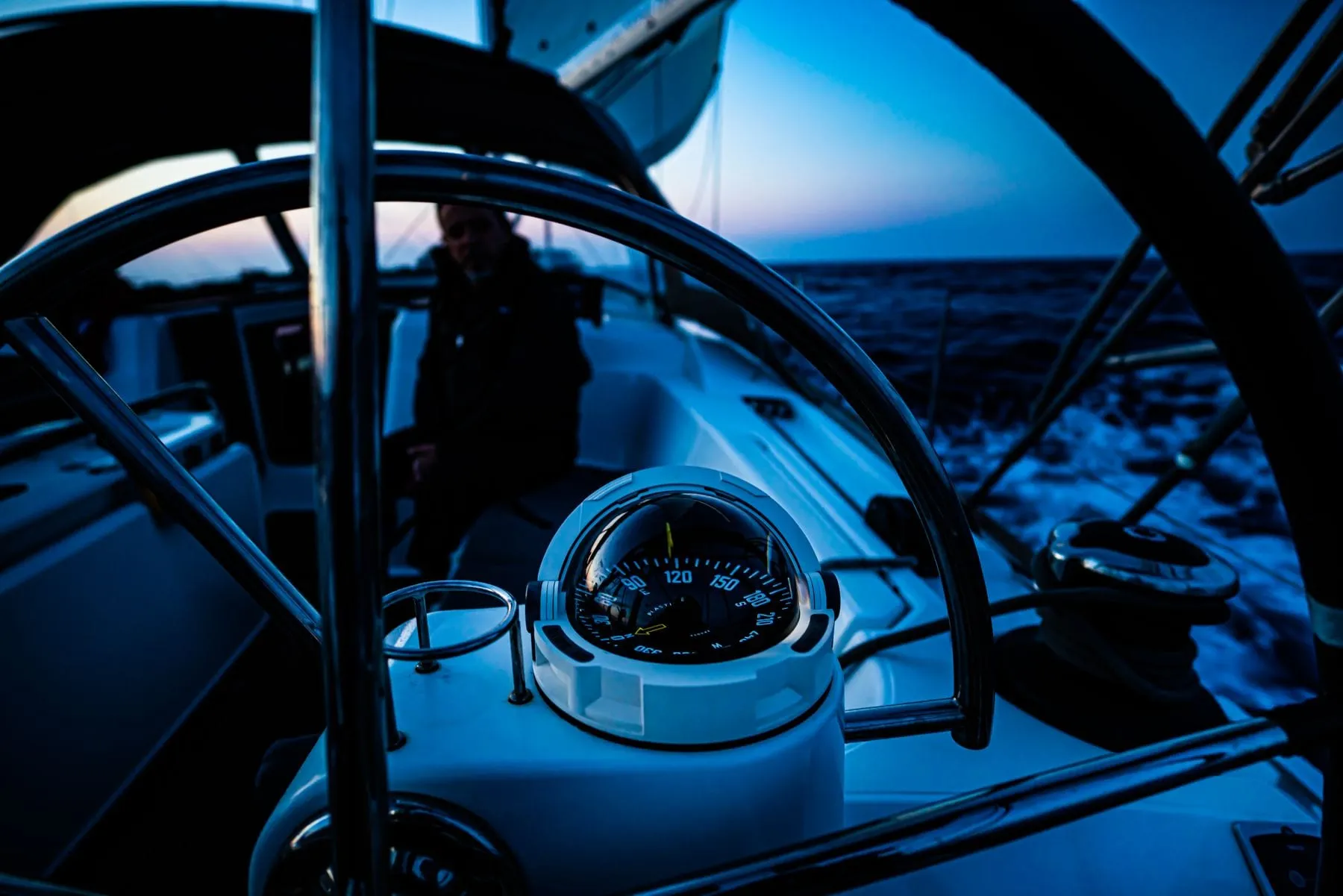
We provide personalized training and vessel orientation directly onboard your own boat, and the crew travels to your homeport to do it. Every boat is different — the panel, the thrusters, the way she backs down in a crosswind — and instruction on someone else’s vessel does not transfer cleanly to yours.
The ideal training scenario is a delivery. Owners are welcome to join us for all or part of a passage, and days of continuous running teach more than any afternoon at the dock can. New owners who ride along come off the boat genuinely able to run her.
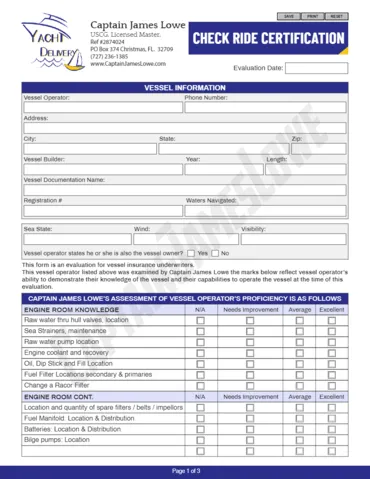
Training can also be extended into an insurance check ride, where the captain signs off that you are familiar with the installed systems and competent to handle the vessel.
Curriculum
Tailored to your vessel and your experience — a first-time owner and a seasoned boater on an unfamiliar boat need different days.
Navigational aids and buoyage, chart reading, and working the GPS, chartplotter and the rest of the electronics actually fitted to your boat.
Docking, anchoring, and turning in tight water. Effective fender placement and the right way to tie a vessel in each situation.
Emergency procedures, correct use of the safety equipment aboard, and the waterway regulations that apply where you run.
A working understanding of boating law. For the full picture, take a captain’s course — this covers what you need to stay safe and legal.
Fuel tanks and filling, the electrical panel, the generator, switching between shore power and generator at the bus bar, engines, gear, sea cocks and strainers, fluid levels, and plumbing down to the sewage pump-out.
Reading forecasts and understanding what weather does to your boat, so you can pick your days. A day on the water is not always better.
VHF marine radio procedure, plus compasses and radar — the tools you need when the screens stop being enough.
Start here
Tell me the vessel, your homeport and what you want to be able to do by the end of it.
We do not share, rent or sell your information. Data is collected only to produce the estimate you asked for.